
I produced and just published a German version of the original overview video for the Belle II experiment at KEK in Japan. It’s now featured on the German Belle II YouTube channel and the German Belle II website, which I also helped to set up.
Category Archives: Countries
My corona live life blog
Given the certainly very unique situation caused by the current corona pandemic, I decided to set up a little live blog to document the next couple of weeks representing a mixtures of home office, home schooling, home day care and whatever is yet to come …
First of all, for those of you that are still wondering about the why, here is two interesting reads: Tomas Pueyo at Medium.com and Harry Stevens at WashingtonPost.com.
In the following live life blog, I’ll focus on a few specific, mostly non-work, activities whenever something comes up …
15 years in ATLAS
Fifteen years ago, Tuesday 8 March 2005 at 9:57am, I received my CERN account, to start working for the ATLAS Experiment.
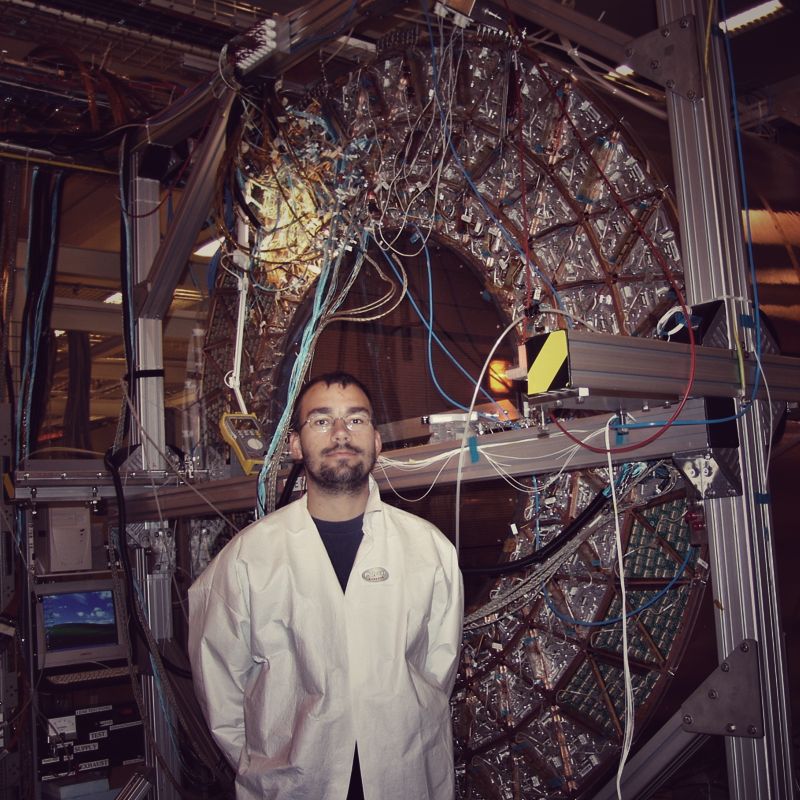
What started as an internship – chosen because of a lack of courses in the field I originally planned to pursuit, the physics of macromolecules – in the high-energy-physics group at the Niels Bohr Institute in Copenhagen, turned into a stay at CERN during the Summer Student Programme and a Master’s thesis about the electron identification with the ATLAS transition-radiation tracker (internal) together with studies on a precision measurement of the W-boson mass.
During my PhD at Deutsches Elektronen-Synchrotron DESY in Zeuthen and Humboldt-Universität zu Berlin and various short stays at CERN I was mainly working on the commissioning of the ATLAS pixel detector (internal) and data-driven algorithms to determine the W+Jets background in events with pair-produced top quarks, and was involved in the startup of the German National Analysis Facility.
Going back to the Niels Bohr Institute as a postdoc, I started working on searches for unconventional signatures and long-lived particles and got stuck with that ever since.
I started out looking for heavy, charged long-lived particles, an analysis I continued also after moving to LMU Munich in 2014. Since then, I had the pleasure of leading two ATLAS physics subgroups – supersymmetry with R-parity-violating and long-lived signatures as well as exotics with unconventional and exotic Higgs decays – and joined a community effort in documenting the current status and harmonise searches for long-lived particles at the LHC. Amongst other things, I am currently also working on searches for Soft Unclustered Energy Patterns as signatures of strongly coupled Hidden Sectors and just finished my habilitation.
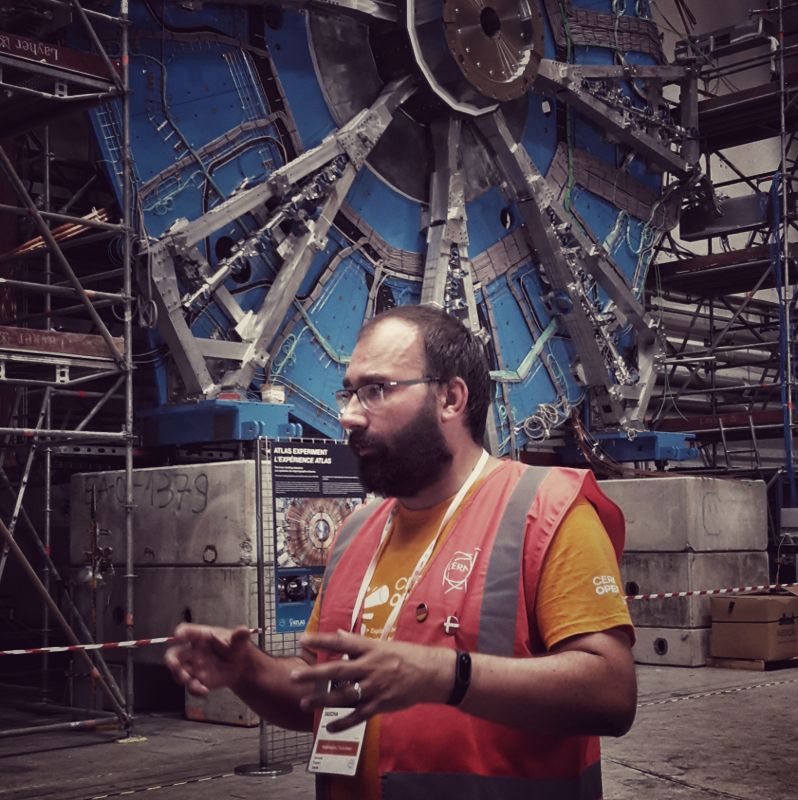
Besides physics analysis, especially looking for long-lived particles, I was always interested in science communication and education and have been involved in outreach projects since 2006. Highlights were and are certainly the design of the ATLAS LEGO model in 2011, the creation of the ‘Build Your Own Particle Detector‘ programme in 2013 and running it since, the coordination of the ATLAS contribution to the 2019 CERN Open Days, and the still ongoing work on a new ATLAS Visitor Centre. Since 2018, I am also an Education & Outreach coordinator for the ATLAS Collaboration.
I hope to have quite a few more years within ATLAS and other collaborations …
Holidays by the sea
I just returned from holidays at both the North and the Baltic Sea.
One week each in Garding on Eiderstedt and Fährdorf on Poel.
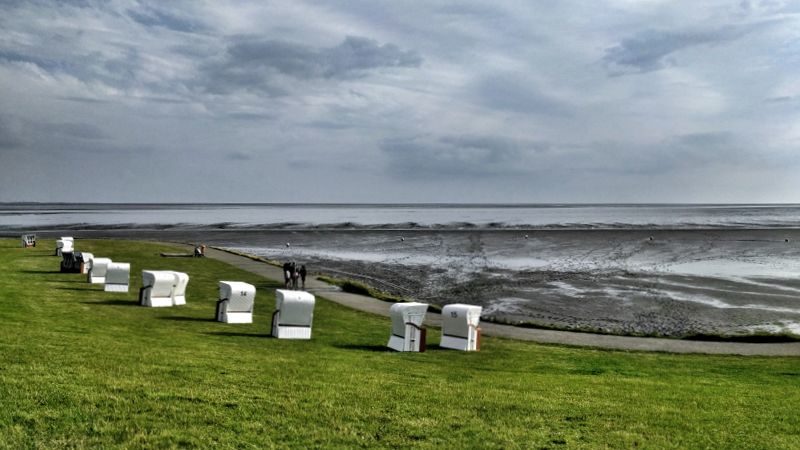
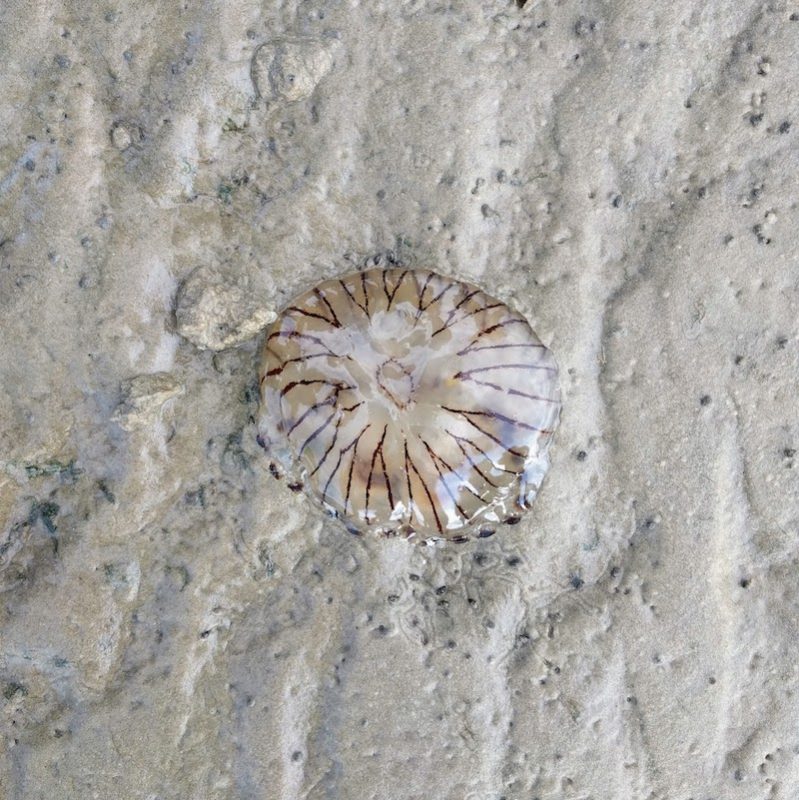
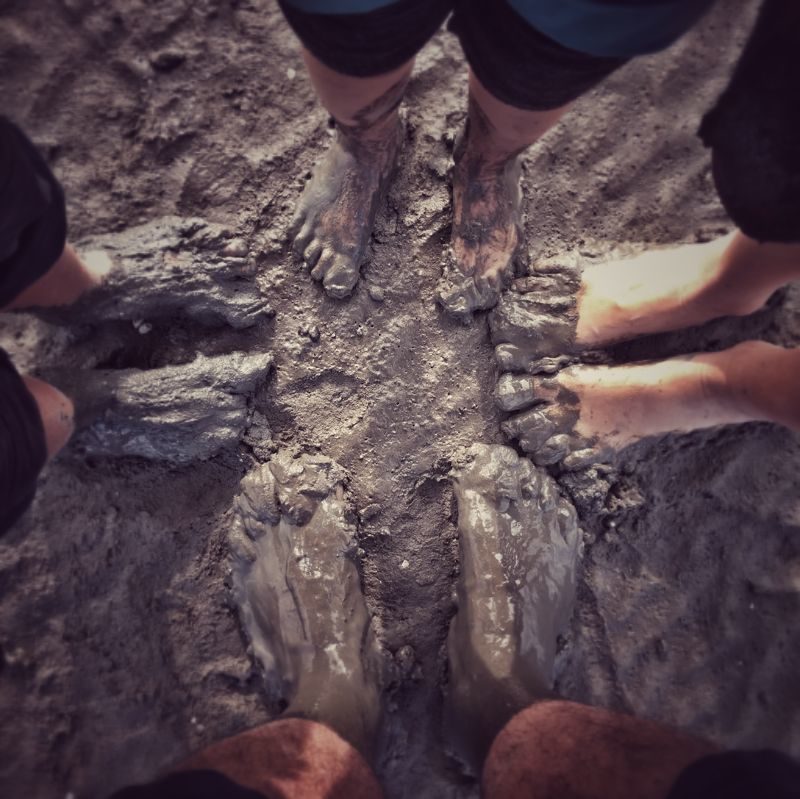
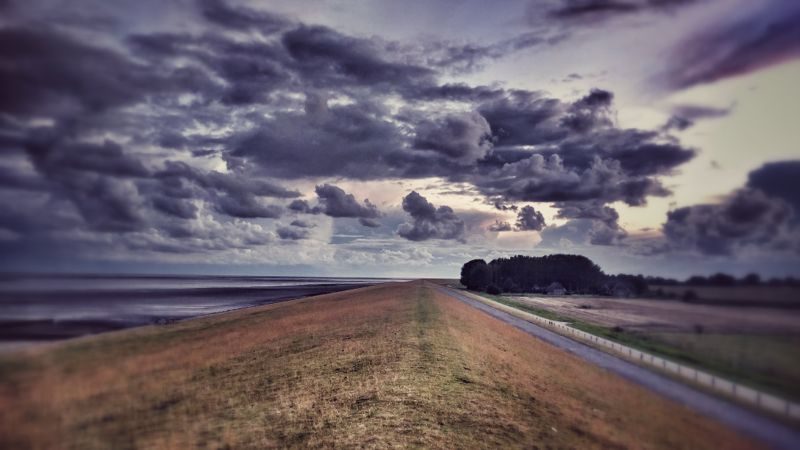
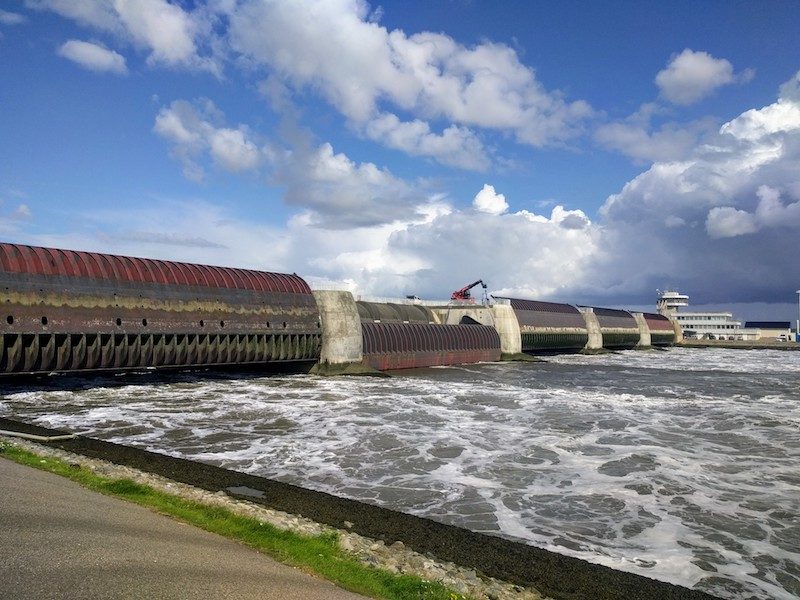
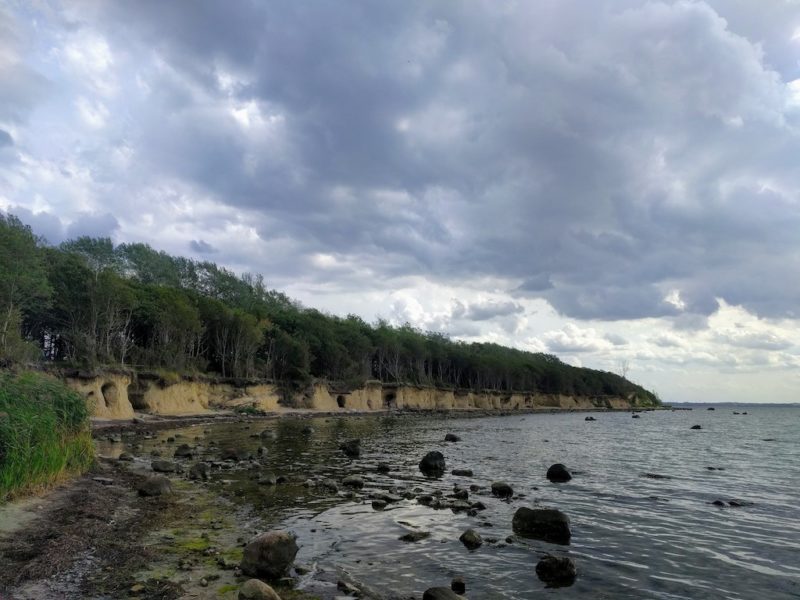
We had a very nice time watching the water come and go at the North Sea, walking the mud flats and dikes, taking a boat trip to see seals, porpoises and other animals living the sea, visiting the wonderful Multimar Wattforum and other nice places. Had some good food (lot’s of fish) and a lot of wind and quite a bit of rain.
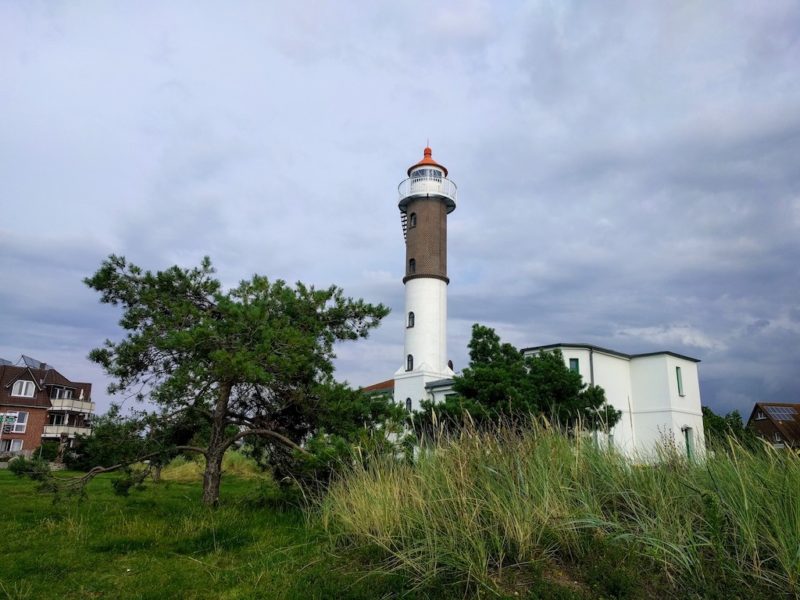
On Poel the weather changed for the better and we had beach time, sand-castle (or figures) building, paddling tours on the Breitling (Bay of Wismar) and lot’s of other things.
Here’s a few pictures from both seas, some of which also made it to my gallery.


LHCP2019
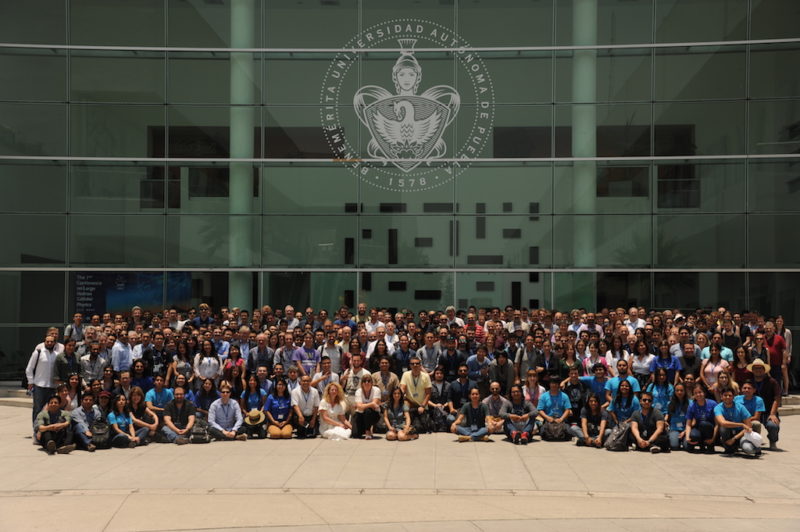
This week, I had the pleasure of participating in the 7th edition of the Large Hadron Collider Physics Conference (LHCP) in Puebla, Mexico.
Besides talking about latest updates on “Searches for long-lived particles in ATLAS” and “Particle Physics Outreach as a Strategic Pillar for Society: A report from IPPOG”, as well as presenting posters on “Communicating ATLAS: adapting to an ever-changing media landscape” and “ATLAS Outreach: on the dissemination of High Energy Physics and Computer Sciences“, I also had the chance to see a – way too tiny – bit of Mexico during the week.
Unfortunately, due to the cancellation of my original flight to Mexico and the resulting late arrival, an extremely persistent jet lag waking we up at around 3am each day, and the fact that I already had to leave on Friday, there wasn’t really any time to explore much of Mexico. So I could only see a bit of Puebla’s city centre and – through the conference excursion – the archeological site of Teotihuacan.
Quite an intense week with lots of physics (see timetable), little sleep, lots of Mexican food and many people to meet. If only Mexico wasn’t a twelve-hour flight away …